Germany, France Suspend Work on FCAS Sixth-Gen Fighter Project
This follows irreconcilable difference between Dassault Aviation and Airbus, the two partners in the project.
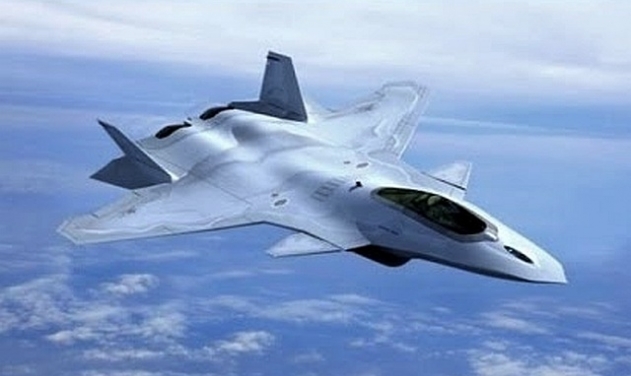
Germany and France have decided to suspend the European sixth-generation fighter Future Combat Air System (FCAS) project due differences between Dassault and Airbus.
German Chancellor Friedrich Merz and French President Emmanuel Macron concluded that Dassault and Airbus would not be able to reach a compromise on the development of a joint combat aircraft, Tagesspiegel newspaper reported, citing government sources.
Merz suggested that Macron abandon further work on the creation of a joint fighter. At the same time, he emphasized the feasibility of continuing cooperation in other areas, in particular, on the integration of various weapons systems, platforms and sensors into the so-called Combat Cloud.
Thus, individual elements of the Future Combat Air System (FCAS) program remain relevant.
This ambitious project was launched by then-German Chancellor Angela Merkel and Emmanuel Macron in July 2017. However, over time, Airbus and Dassault's visions for the future fighter began to diverge.
Dassault, the maker of Rafale jets claimed a dominant role in the project and a significantly larger share of the work. On the other hand, the German side which is dominant in the Eurofighter consortium, insisted on adhering to the existing agreements, which provided for equal participation of companies in the program.
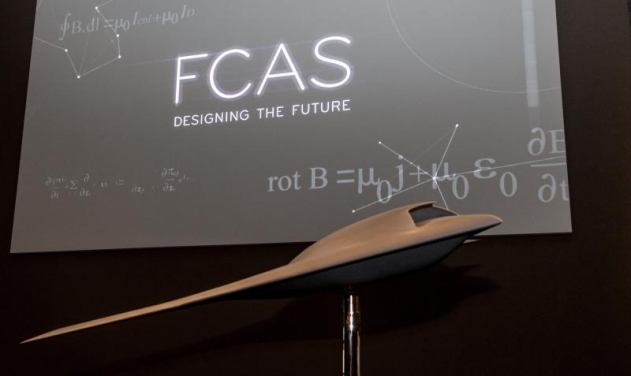
The two parties have repeatedly accused each other of failing to ensure the development of individual components, which is why the program has actually lost momentum.
The political decision on the future of FCAS has been repeatedly postponed, but now, according to the publication, Macron and Merz have effectively put an end to the project.
It is worth noting that as early as December 2025, there were calls in the Bundestag for Germany to withdraw from the program.
After the dispute escalated, Airbus announced its readiness to develop a sixth-generation fighter without Dassault's participation. Earlier, Dassault Aviation CEO Eric Trappier had said that Dassault Aviation was capable of implementing a sixth-gen fighter program on its own.
The future:
According to German experts, further developments could follow one of two scenarios: the creation of its own national fighter or joining one of the international programs - the British-Japanese-Italian GCAP project or the Swedish program to create a sixth-generation fighter.
Belgian Def Min says European FCAS Fighter 'not coming'
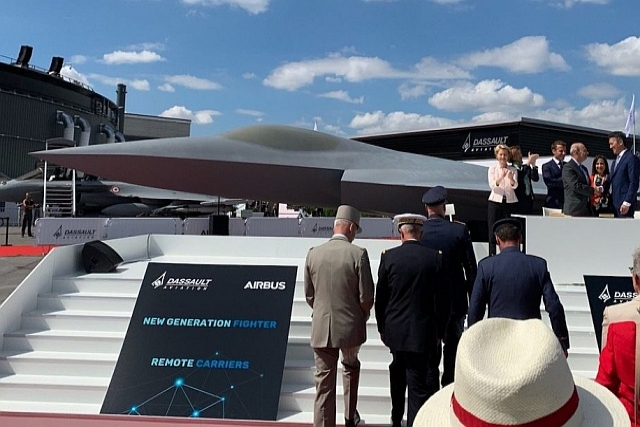
Germany Welcome to Leave FCAS Fighter Project: Dassault Aviation CEO
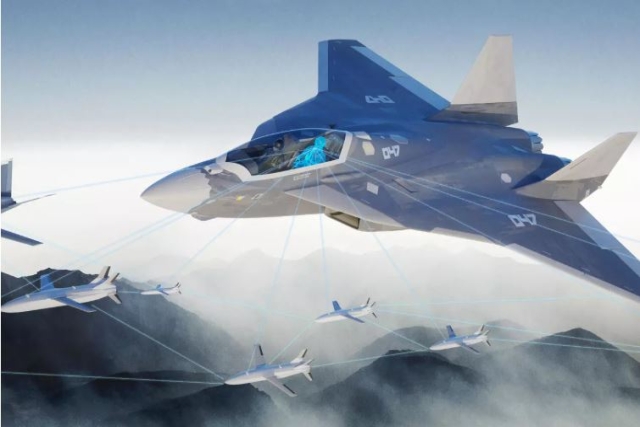
Germany Considering Pulling Out of FCAS Fighter Program
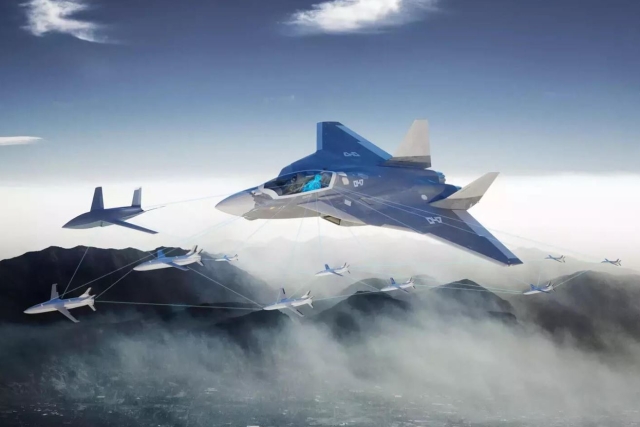
France Wants 80 Percent Share in Franco-German FCAS Fighter Project
Russia Modifies Su-34 Bomber for Reconnaissance Role
US Helicopter May Have Been on a Mission to Attack Iranian Boats...
Swiss Army Procures New Artillery System from KNDS
Germany, France Suspend Work on FCAS Sixth-Gen Fighter Project

One Month Since U.S., Israeli War Against Iran: Who Is Gaining?
One month after the United States and Israel launched coordinated strikes on Iran on February 28 the conflict has expanded...
Modern Tank Showdown: T-90MS, Leopard 2A7, M1E3 Abrams Compared
Main Battle Tanks (MBTs) have shown their mettle in recent conflicts such as in Ukraine despite being increasingly vulnerable to...
European Nations Prioritizing Europe-made IRIS-T & SAMP-T over American Patriot Air Defense Systems?
European nations looking to procure new air defense systems appear to be giving the much-vaunted American Patriot a miss in...
Russian T-90MS Crew Discuss Future Upgrades
Defense Mirror spoke with the crew members of the Russian T-90MS main battle tank, produced by UralVagonZavod

China's Mass-produced J-35A Aircraft Set to Disrupt Global Stealth Fighter Market
China is aiming to disrupt the global stealth fighter market by mass-producing its fifth-generation J-35A at a pace comparable to...

The Future of Combat: Miniaturized Laser Weapons Set to Replace Bullets and Missiles
Lasers may soon replace bullets, and drones could disable enemy UAVs with beams of light instead of missiles