Iran Reports Progress in Peace Talks with U.S. in Geneva
The talks led to major progress to end Lebanon War, Oil and petrochem export sanctioned are waived, blockade lifted, some frozen assets released, and major reconstruction plan launched for Iran.
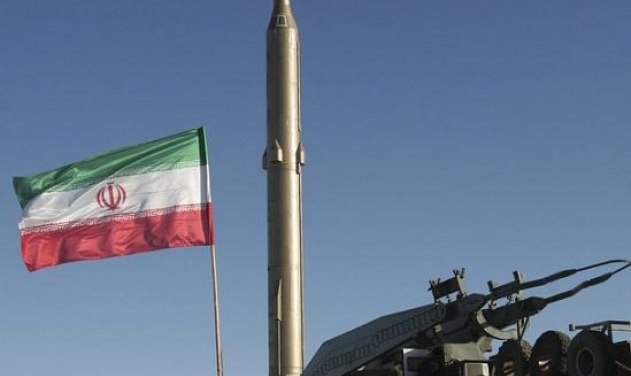
Iran and the U.S. have decided to establish a conflict control unit to stabilize the front lines in Lebanon besides a hotline of communication for the Strait of Hormuz during talks in Geneva.
In addition, a working group on the nuclear weapon issue has been formed, release of Iran’s frozen assets in Qatar and Iran allowed to sell oil, gas and petrochemical products for a period of 60 days.
Iran's Foreign Ministry on the outcome of talks with U.S. Vice President JD Vance in Switzerland:
"We have established a Conflict Control Unit to stabilize the front lines in the Middle East, including Lebanon.
Second, a hotline of communication has been formed which through Iran can be contacted if problems arise in the Strait of Hormuz.
Third, a working group on nuclear file has been formed, which will begin its work as soon as the United States has fully implemented Clause 13 of the agreement.
Fourth, we have signed agreements with Qatar regarding the release of Iran’s frozen assets.
Fifth, we have received documents from the United States that allow us to sell Oil, Gas, and Petrochemical products without sanctions for a period of 60 days."
Iranian Foreign Minister Abbas Araqchi in a post on X early Monday, Araqchi wrote: "Tireless Pakistani and Qatari mediation has delivered major progress to end Lebanon War. Oil and petrochem exports are waived, blockade lifted, some frozen assets released, and major reconstruction & development plan launched for Iran. 1st real test: Lebanon deconfliction cell."
The foreign minister's comments came as the first round of high-level technical talks between Iran and the United States concluded in Switzerland, with Iranian officials confirming that quadrilateral meetings were suspended after Washington issued threatening remarks, but that technical work will continue.
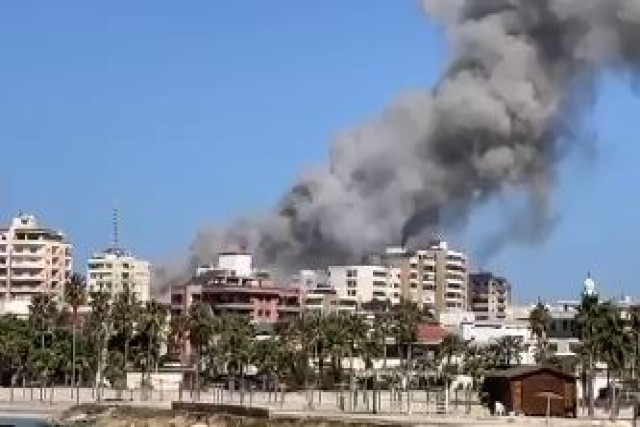
Lebanon ceasefire
Reports from Lebanon suggest possible limited redeployments of Israeli Forces amid US pressure ahead of talks in Washington, but key positions along the border remain in place.
Esmail Baghaei, who was accompanying the Iranian delegation led by Parliament Speaker Mohammad Baqer Qalibaf, told reporters early on Monday that the Swiss talks were focused on monitoring the implementation of US commitments under the MoU signed on June 18.
“We had a very long day. The meetings started on Sunday morning. During the quadrilateral session, threatening remarks from America were published, which led Iran to announce that it would not continue the quadrilateral meeting under such conditions,” Baghaei said, referring to anti‑Iran threats issued by US President Donald Trump on Sunday.
He added that Qatar and Pakistan attempted to keep the dialogue going, but Iran insisted it would not proceed in a quadrilateral format.
Baghaei confirmed that the implementation of the MoU demands the end of the war “on all fronts,” without which “entry into the negotiation phase for the final agreement is not possible.”
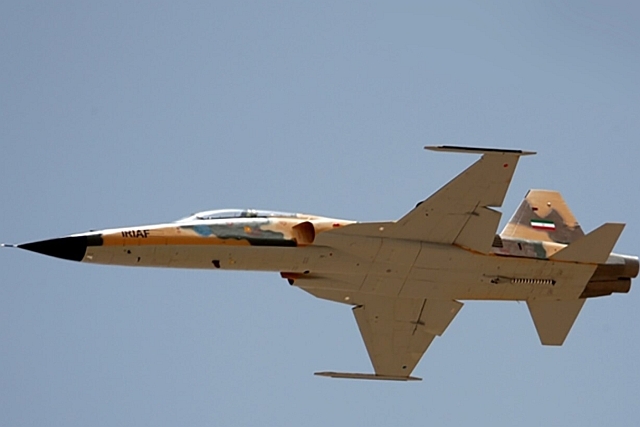
Iranian Pilots Recount Deception Operation in the Bombing of a U.S. Base...
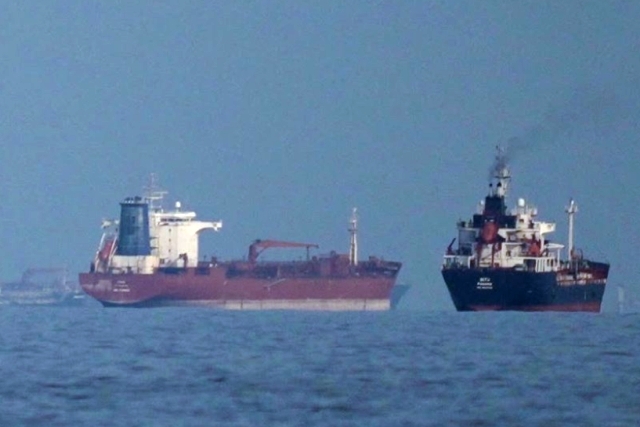
Three Ships Sail Past U.S. Naval Blockade, Iran Claims
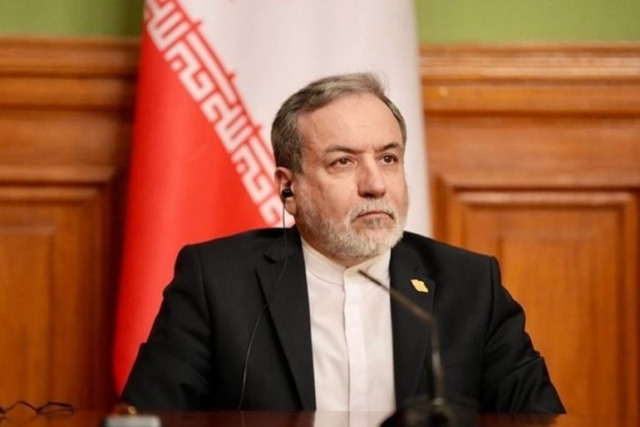
Iran Insisting on “Dilution” of Uranium Within Its Territory in Potential Agreement...
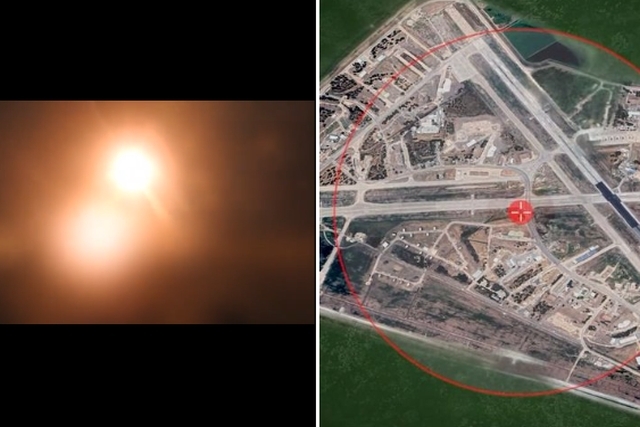
Tehran Claims to Have Hit Israeli Airbases in Response to Overnight Israeli...
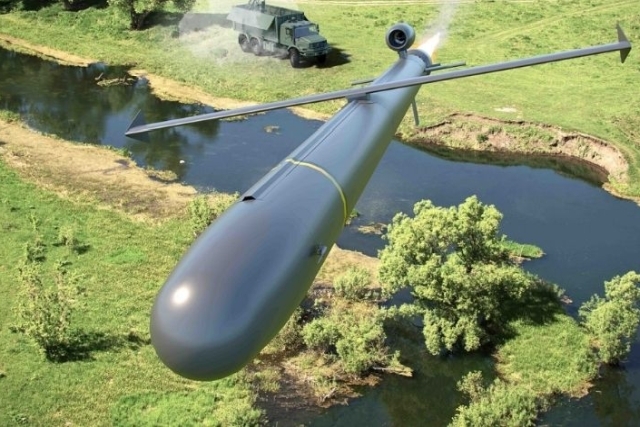
MBDA’s Low Cost, Long Range Missile, ‘Crossbow’ Could Head to Ukraine
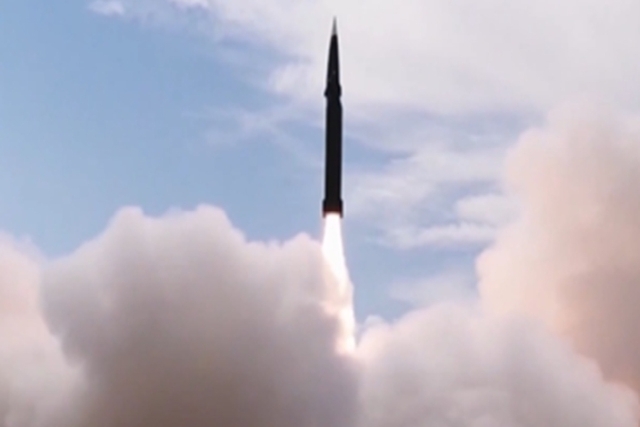
China Tests DF-17 Hypersonic Missile for the First Time Under "Battlefield Conditions"
Iran Reports Progress in Peace Talks with U.S. in Geneva

Diehl Defence to Acquire Explosive Ordnance Disposal Firm, EST Energetics
One Month Since U.S., Israeli War Against Iran: Who Is Gaining?
One month after the United States and Israel launched coordinated strikes on Iran on February 28 the conflict has expanded...
Modern Tank Showdown: T-90MS, Leopard 2A7, M1E3 Abrams Compared
Main Battle Tanks (MBTs) have shown their mettle in recent conflicts such as in Ukraine despite being increasingly vulnerable to...
European Nations Prioritizing Europe-made IRIS-T & SAMP-T over American Patriot Air Defense Systems?
European nations looking to procure new air defense systems appear to be giving the much-vaunted American Patriot a miss in...
Russian T-90MS Crew Discuss Future Upgrades
Defense Mirror spoke with the crew members of the Russian T-90MS main battle tank, produced by UralVagonZavod

China's Mass-produced J-35A Aircraft Set to Disrupt Global Stealth Fighter Market
China is aiming to disrupt the global stealth fighter market by mass-producing its fifth-generation J-35A at a pace comparable to...

The Future of Combat: Miniaturized Laser Weapons Set to Replace Bullets and Missiles
Lasers may soon replace bullets, and drones could disable enemy UAVs with beams of light instead of missiles