US Armed Forces Members to Undergo Testing for Testosterone Levels
The screening will be done as part of new medical program to ensure performance optimization.
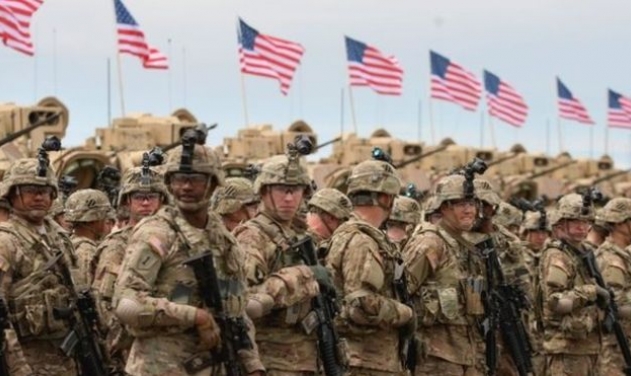
All United States military personnel aged thirty and older will be screened for testosterone deficiency as a mandatory element of their Periodic Health Assessment (PHA).
If hormonal imbalances are detected, US military personnel will be offered voluntary treatment, including testosterone replacement therapy.
This enhanced screening protocol directly supports the Department's focus on Human Performance Optimization while comprehensively addressing “Operator Syndrome,” the Department of War (DoW) said Thursday.
Originally identified among Special Forces in 2020 through collaborative research between the DoW and leading academic institutions, Operator Syndrome represents a unique convergence of health challenges that require proactive clinical intervention.
Additionally, applying lessons learned from treating Operator Syndrome across the Total Force including targeted testosterone therapy directly optimizes Warfighter readiness.
The Assistant Secretary of War for Health Affairs will ensure that testing is available across the Military Health System. An advisory council with external experts will be established to guide the DoW on Health and Human Performance Optimization.

"I am authorizing a new testosterone deficiency screening program for our military personnel to ensure you have the proper levels of this hormone to achieve maximum combat readiness. As you know, the modern battlefield is brutal and ruthless. It requires maximum psychological and mental readiness," Secretary of War Pete Hagseth wrote on X.
"Operator Syndrome" includes interrelated health and functional impairments including traumatic brain injury effects; endocrine dysfunction; sleep disturbance; obstructive sleep apnea; chronic joint/back pain, orthopedic problems, and headaches; substance abuse; depression and suicide; anger; worry, rumination, and stress reactivity; marital, family, and community dysfunction; problems with sexual health and intimacy; being "on guard" or hypervigilant; memory, concentration, and cognitive impairments; vestibular and vision impairments; challenges of the transition from military to civilian life; and common existential issues, according to a 2020 study in the International Journal of Psychiatry in Medicine

Hegseth Boasts U.S. Military Prowess during Maduro Kidnapping
A Dozen U.S. Military Personnel killed, Scores More Injured in Kabul Blasts...
US Armed Forces Members to Undergo Testing for Testosterone Levels
Rafale Jet Combines with Electronic Warfare Payload-Carrying UAV to Strike Simulated Target
Iran War Impact: Saudi Arabia to Buy Advanced Precision Kill Weapon II...
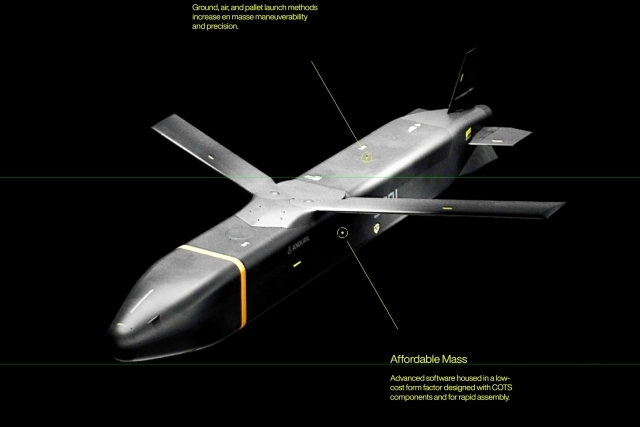
Anduril Bags U.S. DoW Contract to Supply Barraduda-500 Stand-off Weapons

One Month Since U.S., Israeli War Against Iran: Who Is Gaining?
One month after the United States and Israel launched coordinated strikes on Iran on February 28 the conflict has expanded...
Modern Tank Showdown: T-90MS, Leopard 2A7, M1E3 Abrams Compared
Main Battle Tanks (MBTs) have shown their mettle in recent conflicts such as in Ukraine despite being increasingly vulnerable to...
European Nations Prioritizing Europe-made IRIS-T & SAMP-T over American Patriot Air Defense Systems?
European nations looking to procure new air defense systems appear to be giving the much-vaunted American Patriot a miss in...

Russian T-90MS Crew Discuss Future Upgrades
Defense Mirror spoke with the crew members of the Russian T-90MS main battle tank, produced by UralVagonZavod

China's Mass-produced J-35A Aircraft Set to Disrupt Global Stealth Fighter Market
China is aiming to disrupt the global stealth fighter market by mass-producing its fifth-generation J-35A at a pace comparable to...

The Future of Combat: Miniaturized Laser Weapons Set to Replace Bullets and Missiles
Lasers may soon replace bullets, and drones could disable enemy UAVs with beams of light instead of missiles